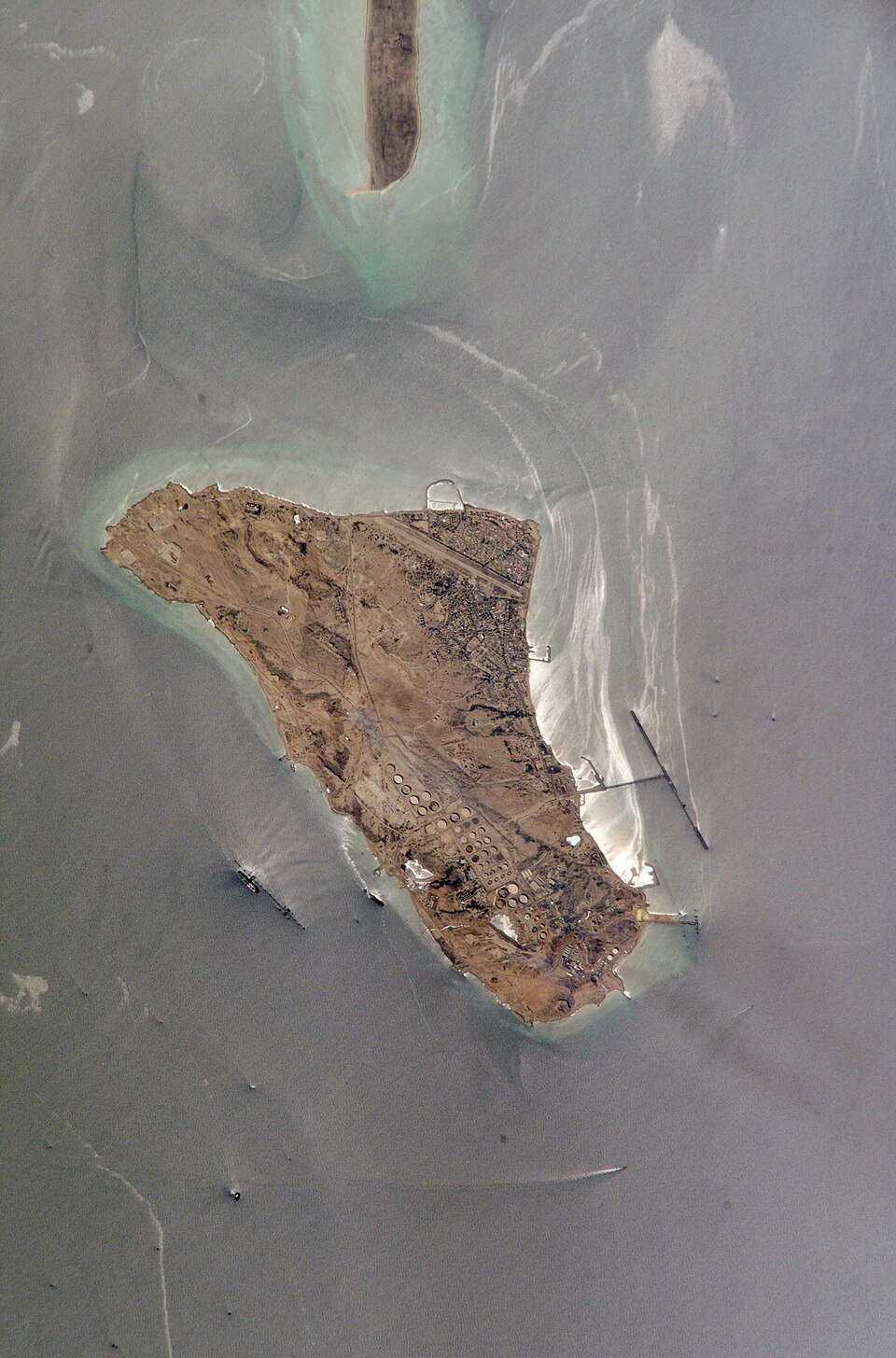
Kharg Island: Why it's the Ultimate Bargaining Chip in the Iran Conflict
Nestled strategically within the Persian Gulf, a tiny coral outcrop known as Kharg Island holds disproportionate sway over global energy markets and international geopolitics. Far from being an ordinary landmass, Kharg Island represents the beating heart of Iran's oil economy and, consequently, a potent symbol of leverage in the ongoing tensions surrounding the nation. Its unique position as the primary conduit for Iranian crude exports transforms it into an "ultimate bargaining chip," capable of dictating the course of military strategy, economic sanctions, and the price you pay at the pump. Understanding Kharg's multifaceted importance is crucial to grasping the complexities of the broader Iran conflict.
Kharg Island: Iran's Economic Lifeline and the World's Oil Tap
For Iran, Kharg Island is not merely an export terminal; it is an indispensable economic lifeline. Decades of strategic investment have transformed this small island, once a historical trading post and ancient Christian community, into a sophisticated hub of pipelines, storage tanks, and loading facilities. This intricate network collects crude oil from major inland producing areas, stores it, and prepares it for shipment to international buyers, predominantly in Asia.
The sheer volume of oil passing through Kharg underscores its critical importance. In periods of high production, a staggering 94 percent of Iran's crude exports have historically departed from this single location. This concentration creates a point of extreme vulnerability for Iran. Any sustained disruption to operations on Kharg Island would immediately cripple most of the country's export capacity, severely impacting its revenue streams and ability to fund state operations.
The world feels the ripple effects of Kharg's stability. As a significant oil producer, Iran's ability to supply the global market directly influences crude oil prices. A disruption at Kharg would not only cut off Iran's oil supply to major buyers like China but also send shockwaves through the global energy market, leading to increased volatility, higher oil prices, and potentially affecting everything from transportation costs to the price of groceries. For a deeper dive into these interconnections, explore
Kharg Island: Iran's Oil Hub and Global Economic Tensions.
The Strategic Temptation: Why Adversaries Target Kharg
Given its pivotal economic role, Kharg Island inevitably becomes a focal point in any geopolitical confrontation involving Iran. For adversaries seeking to exert maximum pressure, the island presents a tempting target. Its strategic location, just 26 kilometers off Iran's northern Gulf coast, and its status as a concentrated oil hub make it a clear military objective.
The allure of Kharg as a "bargaining chip" stems from several factors:
* **Economic Paralysis:** Disabling Kharg would be a direct blow to Iran's economy, forcing a potential reassessment of its foreign policy and nuclear ambitions.
* **Strait of Hormuz Bypass:** While not a complete solution, controlling Kharg offers a degree of leverage concerning the Strait of Hormuz. Iran’s historical threats to block the Strait, through which a fifth of the world’s oil passes, make any alternative or counter-measure appealing.
* **Demonstration of Force:** Military action against such a critical asset sends a powerful message about resolve and capability.
Indeed, past military considerations and statements from leaders have highlighted Kharg's significance. Reports have detailed precision strikes against military infrastructure on the island, targeting air defenses, naval bases, and mine storage facilities, while consciously avoiding the oil export infrastructure. This selective targeting underscores a delicate balance: demonstrating military might without immediately triggering a global economic catastrophe. However, threats to "destroy or seize" the island have also been made, signaling its ultimate potential as a tool of extreme pressure.
The Double-Edged Sword of Intervention
While the idea of seizing Kharg Island might appear strategically sound for an adversary looking to gain leverage, the reality is far more complex and fraught with peril. Military analysts suggest that seizing the island itself might be relatively achievable due to its size and exposed nature. However, the true challenge lies not in taking it, but in holding it.
* **Proximity and Counter-Attacks:** Located so close to the Iranian mainland, Kharg Island would be highly vulnerable to sustained attacks from missiles, drones, and artillery. Occupying forces would face constant threats, leading to significant casualties. As one military geography professor noted, "They're not just going to let us take the island."
* **Logistical Nightmare:** Maintaining a secure presence on Kharg would require extensive logistical support and a robust defense system, draining resources and increasing the risk profile for intervening forces.
* **Limited Efficacy Without Hormuz:** Perhaps the most significant paradox is that even if Kharg Island were successfully seized and held, its utility could be severely limited if the Strait of Hormuz remains blocked. As energy advisors point out, the vast majority of oil loaded at Kharg still needs to traverse the Strait. Seizing the island while the Strait is closed would be "a silly exercise" in terms of global oil flow, leading to rising costs for consumers without achieving the desired oil market stability. This highlights Iran's unique ability to control both the tap (Kharg) and the pipeline (Hormuz). Learn more about this vulnerability in
Iran's Vulnerable Oil Lifeline: The Strategic Importance of Kharg Island.
Beyond the Battlefield: Economic Ripples of Kharg's Fate
The fate of Kharg Island extends far beyond the immediate conflict zone. Its role as a major oil export hub means any significant disruption triggers a cascade of economic effects that reverberate globally.
* **Global Oil Prices:** A sustained halt to Iran's crude exports would immediately tighten global supply, driving up international oil benchmarks. This translates directly to higher gasoline prices for consumers worldwide, increased costs for industries, and inflationary pressures across economies.
* **Shipping and Insurance Costs:** Even the threat of disruption around Kharg Island or the Strait of Hormuz leads to elevated shipping insurance premiums and surcharges, making international trade more expensive and less predictable.
* **Supply Chain Disruption:** Industries reliant on oil, from manufacturing to agriculture, would face higher input costs, potentially leading to increased prices for finished goods and services. This could trigger broader economic slowdowns or recessions.
* **Political Instability:** Economic hardship caused by soaring energy prices can fuel social unrest and political instability in energy-importing nations, further complicating the geopolitical landscape.
The world's reliance on stable energy flows makes Kharg Island a microcosm of global interdependence. Its operational status is a barometer of regional stability and a key indicator for economic forecasts worldwide.
Navigating the Future: Kharg Island and the Path Ahead
Kharg Island stands as a stark reminder of the intricate linkages between geography, economics, and geopolitics. For Iran, it is a source of immense national wealth and a strategic Achilles' heel. For its adversaries, it represents a potent, albeit risky, instrument of leverage. For the global community, it is a vital choke point whose stability is inextricably linked to energy security and economic prosperity.
The strategic importance of Kharg Island dictates that any approach to the Iran conflict must carefully weigh the immense risks and potential consequences of military intervention. While it remains a tempting target and a powerful bargaining chip, the challenges of seizing and holding it, coupled with the global economic fallout of disrupting Iran's oil exports, make any such action a perilous undertaking.
Ultimately, the future of Kharg Island, and by extension, a significant portion of the global energy market, will likely remain tied to diplomatic efforts and de-escalation strategies. The island's enduring significance necessitates ongoing vigilance and a nuanced understanding of its role in the broader quest for stability in the Persian Gulf and beyond.
Conclusion
Kharg Island, a small landmass with monumental implications, unequivocally serves as the ultimate bargaining chip in the Iran conflict. Its status as Iran's primary oil export hub makes it a nexus of economic power and extreme vulnerability. While offering a powerful temptation for adversaries seeking to exert pressure, the complexities of military action—from the logistical challenges of occupation to the severe global economic repercussions—transform it into a double-edged sword. As long as the world remains reliant on oil and tensions persist in the Middle East, Kharg Island will remain a critical strategic asset, its fate inextricably linked to regional stability and the delicate balance of international power.