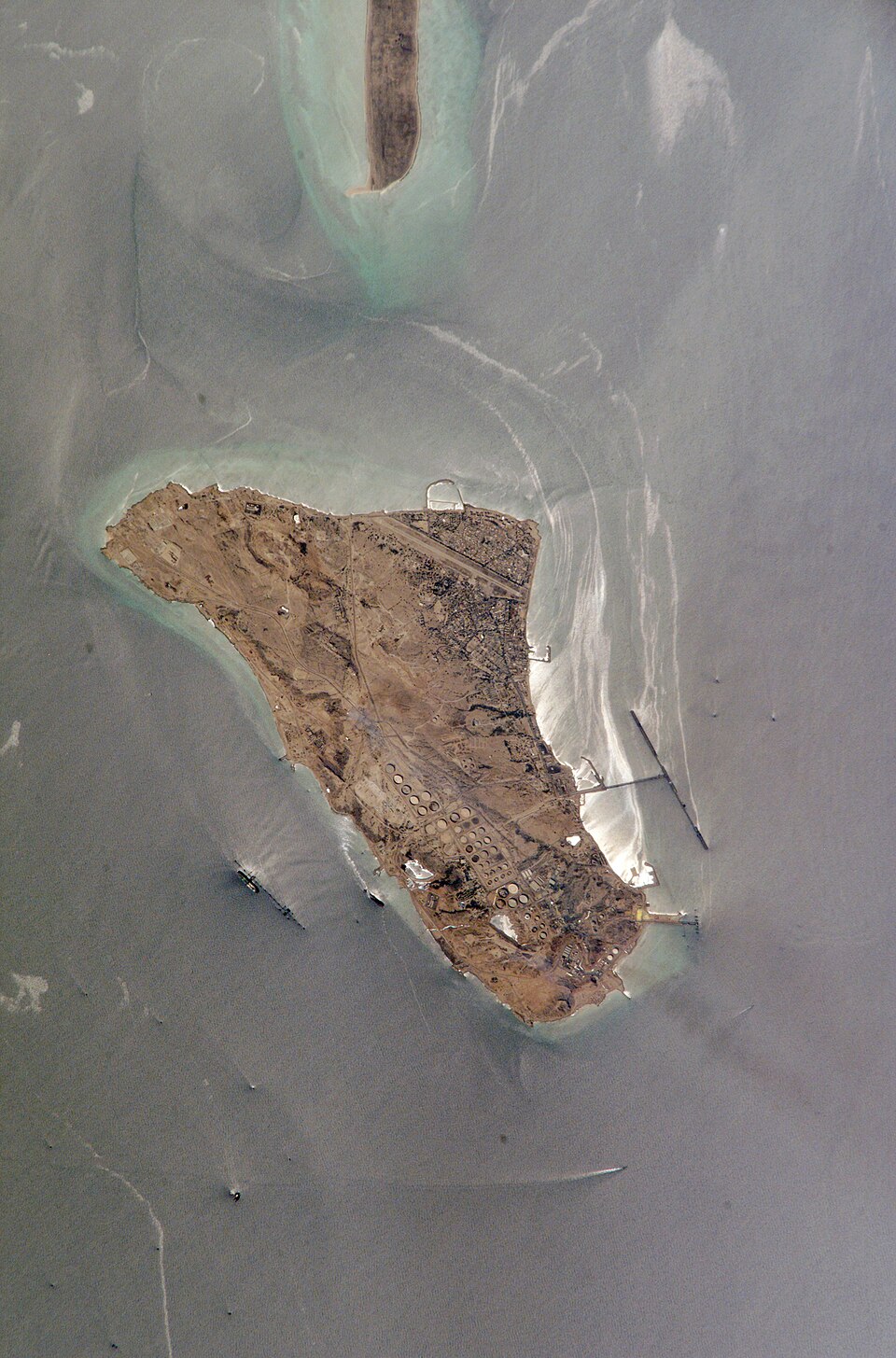
Kharg Island: Iran's Oil Hub and the Epicenter of Global Economic Tensions
Nestled within the vast expanse of the Persian Gulf, the diminutive coral outcrop known as Kharg Island holds a colossal significance for Iran, the United States, and indeed, the entire global economy. Far from being a mere dot on the map, this small island, sometimes referred to as the "Forbidden Island" due to its stringent access rules, is Iran's undisputed oil export hub. Its strategic importance has thrust it into the spotlight amidst escalating geopolitical tensions, making it a critical barometer for energy prices and a key player in international diplomatic chess.
With a history stretching back to ancient times as a vibrant trading post and even a sixth-century Christian community, Kharg Island has undergone a profound transformation. Today, it stands as the nerve center of Iran's oil industry, a position that makes it incredibly valuable to Tehran but also profoundly vulnerable to external pressures and military actions. Understanding the intricate role of Kharg Island is crucial for comprehending the dynamics of global energy security and the potential ripple effects on consumer pockets worldwide.
Kharg Island: Iran's Indispensable Oil Lifeline
At the heart of Kharg Island's strategic value lies its unparalleled role as Iran's primary collection, storage, and loading point for crude oil destined for international buyers. For decades, Iran has systematically invested in building an intricate network of pipelines, funneling crude from major inland producing areas directly to Kharg. This long-term, strategic development has cemented the island's status as the linchpin of Iran's hydrocarbon exports, making it an indispensable component of the nation's economic infrastructure.
The sheer concentration of Iran's oil export operations on Kharg Island, while efficient, creates an undeniable vulnerability. In the period leading up to recent conflicts, an astonishing 94% of Iran's crude exports departed via tankers from Kharg. This near-total reliance means that any sustained disruption to the island's facilities – including its sophisticated network of pipelines, terminals, and storage tanks – would immediately threaten the vast majority of the country's export capacity. Such a blow would not only cripple Iran's economy but also have far-reaching implications for global energy markets.
The strategic concentration of Iran's oil export infrastructure on Kharg Island underscores a critical economic vulnerability. While robust, this centralized system means that a single point of failure could have catastrophic consequences for Iran's ability to generate revenue from its most vital resource. This inherent fragility is a constant consideration in geopolitical calculations, highlighting why understanding Iran's Vulnerable Oil Lifeline: The Strategic Importance of Kharg Island is paramount.
A Hotbed of Geopolitical Tensions and Military Strategy
Kharg Island’s pivotal role has naturally made it a flashpoint in the ongoing geopolitical tensions, particularly those involving the U.S. and Israel. Recent military actions and explicit threats have brought the island into sharp focus, illustrating its significance as both a strategic asset and a potential target. U.S. President Donald Trump, for instance, openly declared that U.S. forces "totally obliterated every military target" on Kharg Island during large-scale precision strikes in mid-March, though asserting that the island's crucial oil export infrastructure was deliberately avoided.
These strikes, aimed at military-only infrastructure including air defenses, naval bases, and mine storage facilities, were positioned by the U.S. as a means to ensure the Strait of Hormuz remains open and safe. The Strait of Hormuz, through which a fifth of the world's oil shipments pass in peacetime, is a critical chokepoint. Iran's ability to exert influence over or even threaten this vital shipping lane makes Kharg Island, located just 26 kilometers offshore, an incredibly tempting strategic objective.
Beyond direct military action, Kharg Island has been explicitly referred to as an "ultimate bargaining chip" in negotiations and conflicts. Frank Galgano, a retired U.S. Army lieutenant-colonel and military geography professor at Villanova University, highlighted this aspect, noting its potential as leverage. The very threat of seizing or destroying Kharg can significantly influence Iran's actions and willingness to negotiate. However, experts like Tom Kloza, chief energy advisor for Gulf Oil, caution that seizing the island without simultaneously ensuring the free flow of oil through the Strait of Hormuz would be a "silly exercise," as the oil loaded at Kharg still depends on safe passage through the strait. The complex interplay of military capability, strategic location, and international law makes Kharg Island: Why it's the Ultimate Bargaining Chip in the Iran Conflict a compelling case study.
The prospect of military engagement on Kharg Island presents considerable challenges. While some analysts suggest U.S. forces could seize the island relatively easily, holding it would be a different matter. Its proximity to the Iranian mainland means any occupying force would likely face sustained attacks from missiles, drones, and artillery, leading to potentially significant casualties. This underscores the profound risks and complex considerations involved in any military strategy concerning this vital location.
Global Economic Ripple Effects: What a Disruption Means
The significance of Kharg Island extends far beyond the immediate geopolitical chessboard, casting a long shadow over the global economy. Any sustained disruption to operations on Kharg Island would trigger immediate and severe consequences, not just for Iran but for energy markets worldwide. At its simplest level, a blockage or damage to Kharg's facilities would prevent Iran from getting its crude oil to international buyers, most notably China, a major consumer of Iranian crude.
The broader implications, however, are far more concerning:
- Oil Price Volatility: Even the rumor of a disruption at Kharg can send shockwaves through global energy markets, leading to immediate price surges. An actual, sustained interruption would likely cause oil prices to skyrocket, potentially reaching unprecedented levels.
- Inflationary Pressure: Higher crude oil prices translate directly into increased costs at the pump for consumers globally. Moreover, rising energy costs impact transportation, manufacturing, and agricultural sectors, leading to higher prices for a vast array of goods, from groceries to consumer products. This can fuel inflation and reduce consumer purchasing power.
- Supply Chain Disruptions: A significant portion of the world's energy supply relies on the smooth operation of hubs like Kharg and the unimpeded passage through the Strait of Hormuz. Disruptions could lead to widespread supply chain issues, affecting industries from automotive to aviation.
- Global Economic Downturn: Sustained high oil prices and supply chain shocks have historically been precursors to global economic slowdowns or recessions. The potential for a significant disruption at Kharg Island therefore poses a tangible threat to global economic stability.
Practical Insight: For consumers and businesses alike, monitoring the situation around Kharg Island and the broader Persian Gulf region is increasingly important. Fluctuations in geopolitical tensions can translate quickly into changes in fuel prices and broader economic indicators. Energy market analysts frequently cite Kharg Island as a critical risk factor, highlighting its outsized influence on crude oil futures and global commodity prices.
Conclusion
Kharg Island, though a tiny coral outcrop, embodies a nexus of ancient history, modern energy infrastructure, and volatile geopolitics. It is not merely Iran's primary oil export hub; it is a critical artery for the nation's economy and a strategic flashpoint that commands global attention. Its inherent vulnerability, stemming from the concentration of Iran's oil exports, makes it a tempting target in times of conflict and a powerful bargaining chip in diplomatic efforts.
The potential for disruption on Kharg Island reverberates far beyond the Persian Gulf, directly influencing global oil prices, consumer costs, and the stability of the international economy. As long as Iran remains a significant oil producer and geopolitical tensions persist, Kharg Island will remain a central, albeit physically small, player in the intricate dance of global energy security and international relations. Its fate is inextricably linked to the price we pay at the pumps and the stability of markets worldwide, underscoring its monumental global impact.